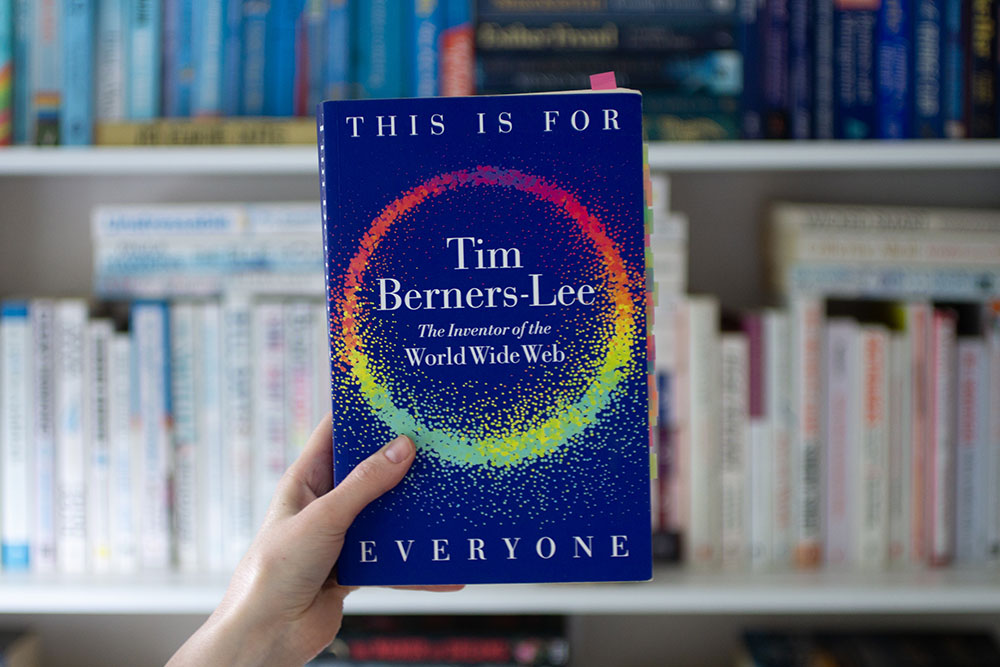
I had a lot of fun coding the WorldWideWeb application. There was definitely a zen-like focus of ‘being in the zone’, and the creative thrill of making a new thing from your imagination. People call it getting lost, but actually, you don’t get lost at all. It’s more like being very found.
Page 72
In a nutshell

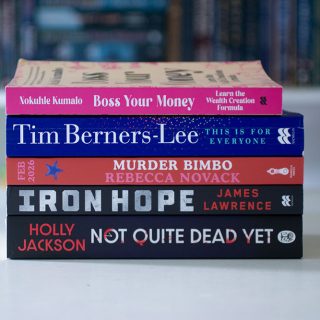
Tim Berners-Lee, the inventor of the World Wide Web, shares the story of how it all began and why he chose to make it freely available to the world. This memoir focuses on the evolution of the web, from its early days to the complex digital landscape we navigate today, while also exploring his views on its future, including regulation, access, and AI.
Book Club Notes

This book is incredibly interesting, informative, and written with surprising ease. For someone who describes himself as a fast talker and not always easy to follow, his writing is clear and accessible.
What stood out most to me is how grounded his vision for the web was and still is. There’s a strong thread of openness, fairness, and accessibility running throughout, which makes you reflect on how far the internet has come, and where it’s going.
It inspired me, made me think, and taught me a lot about something I use every day but have never given thought to how it came to be. It’s definitely one I’d recommend.
Interesting Things I learned about the World Wide Web

Yahoo was created to be a directory of web pages, organised by topic. Its name means “Yet Another Hierarchically Organized Oracle.
Tim Berners-Lee calls the opportunities afforded to the kids born close to 1955 as having a magic carpet ride through the wave of tech. A few years earlier, everything would have been too expensive or impossible. A few years later, it was all taken for granted and old. This cohort includes Steve Jobs and Bill Gates. “It was neat in a way that throughout this whole process, just as I needed something which I could not build myself… industry produced it at a cost I could afford.”
There was never one ‘eureka’ moment that led to the invention of the world wide web. “Just the slow and patient crystallization of an idea. Over time, this idea continued to fuel my persistence, and over time that persistence would turn into an invention that would change the world.”
Alternate names for WWW that Tim Berners-Lee considered were MOI (Mine of information) and TIM (The information Mine). When WWW was ultimately selected many people grumbled at the name and that the acronym took longer to say than the original name.
He considers the code for URL the most important thing he ever wrote. Before URL existed, you had to type in a command and press enter to jump from one computer to another. Once URLs took over, you just had to click.
Tim clarifies that what he invented was URLs, HTTP & HTML. What he did not invent was the dot-com names.
He calls Wikipedia the best single example of what he wanted the web to be.
400-level status codes means the user has done something wrong. 500-level status codes means the error is on the server side.
12 March is the official date that the invention of the internet is celebrated. In reality, the actual date is lost in time as the first document proposal he submitted only read March 1989. 12 March is his mother’s birthday.
One of his favourite parts of the web is the blogosphere, which he says emerged organically and wasn’t anticipated.
Read If

You enjoy founder stories or want to better understand the technology you interact with every day.

Rating
Writing – 9/10
Applicability – 7/10
Timelessness – 10/10
Shareability – 10/10
The Nitty Gritty

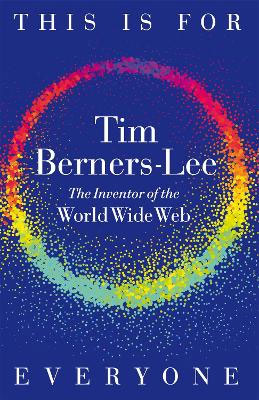
Published by: Pan Macmillan
Genre: Non-Fiction, History, Biography, Technology
ISBN: 978-11035023684
Pages: 361
Shop This: Takealot, Exclusive Books, Amazon Kindle
Similar Reads


A note on our book ratings
Readability: How easy is it to read and understand what the author is saying? Do you need a dictionary or PhD to understand it?
Writing: How well written is the book? Do you find yourself wowed by the writing or unimpressed?
Applicability: How applicable is this book to daily life? Is there enough advice and actions that are easy to start applying?
Timelessness: Is the content of the book timeless or is it something that in a few years won’t have relevance?
Shareability: How likely are you to share the book?