The tragedy of the waste trade isn’t that it started happening. It’s that we knew it was wrong and failed to stop it.
Page 99
In a nutshell

Waste wars is an exposé into the multi-billion dollar global waste trade. Journalist and author Alexander Clapp quite literally travels the globe uncovering the frightening life cycle of waste. He takes you into the world of Javenese recycling gangsters, cruise ship dismantlers in the Aegean, Tanzanian plastic pickers, whistle blowing environmentalists in the jungles of Guatemala, and Ghanaian burner boys. Through their lives, the secret second life of trash is uncovered – a life involving smuggling, shipping, money and devastating consequences for some of the poorest nations.
Book Club Notes

Going into this book I was expecting a story about what happens to the waste I go through on a daily basis. The bottles I dutifully pop into the recycling bin, the clothes too ruined to giveaway and the household waste that gets collected weekly. This book is so much bigger than that – in fact the waste trade is bigger than anything most can imagine. From toxic waste that comes from the manufacturing industries and is shipped around the world to be disposed of to giant cruise ships that no longer carry holidaymakers; Alexander Clapp takes you on an eye-opening, mind-alterring journey of what we like to call rubbish. It’s not a book you rush through and there were parts more interesting than others; but overall it gave me a better understanding of waste and left me feeling better informed – which is what good investigative journalism should do.
6 Eyeopening Things I Learned from Waste Wars

Hundreds of pounds of trash you’ve discarded over the course of your life and never thought of again went on to live a strange, hot potato second existence. In China there are villages that specialise in processing the contents of your recycling bin. In Bangun villagers see trash as literal money.
Polyester is made through an energy-intensive and toxin unleashing process whereby plastic gets cleaned, shredded into flakes, chemically reduced and turned into polyester. This material then gets turned into carpet padding, dish towels or simply used as fuel in factories.
Humans manufacture their own weight in new stuff every week. Only 1% of which is estimated to be in use 6 months after its purchase.
Ever received an email from a prince in Africa claiming to give you millions of dollars if you just deposit a few hundred in his bank account? Chances are it came from one of the hundreds of Burner boys in Ghana who spend their lives rummaging through the piles of keyboards, desktop monitors and smartphones that come from wealthy Western countries and restoring them to life. They then use them to conduct fraud against the very people who sent them their trash. And yes, people do fall for it.
Between 2020 and 2022, during a global pandemic replete with clogged ports and free falling oil prices, the shipping industry generated as much profit as it had in the previous six decades combined. Climate change which changes shipping routes, isn’t actually affecting their bottom line.
While wastepaper, cardboard and scrapsteel can all be gathered together, then pulped or melted down to be reused, the same is not true of plastic. Plastic is a broad term for thousands of different combinations of synthetic polymers that differ in their chemical complexion and quantity of additives. The makeup of plastic that makes it so popular is also what makes it impossible to break down. It is, a recycling expert explains, like melting mozzarella and expecting to produce parmesan.
Read If

You want to understand how the world works or are interested in waste, climate change and environmentalism.

Rating
Writing – 8/10
Applicability – 6/10
Timelessness – 7/10
Shareability – 7/10
The Nitty Gritty

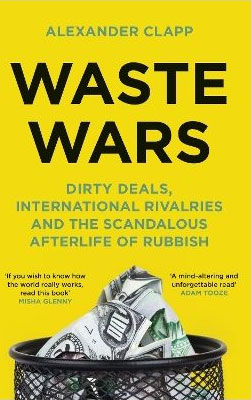
Published by: John Murray Press, distributed by Jonathon Ball
Genre: Non-Fiction, Investigative Journalism
ISBN: 9781399803137
Pages: 338
Shop This: Takealot, Amazon Kindle
Similar Reads



A note on our book ratings
Readability: How easy is it to read and understand what the author is saying? Do you need a dictionary or PhD to understand it?
Writing: How well written is the book? Do you find yourself wowed by the writing or unimpressed?
Applicability: How applicable is this book to daily life? Is there enough advice and actions that are easy to start applying?
Timelessness: Is the content of the book timeless or is it something that in a few years won’t have relevance?
Shareability: How likely are you to share the book?