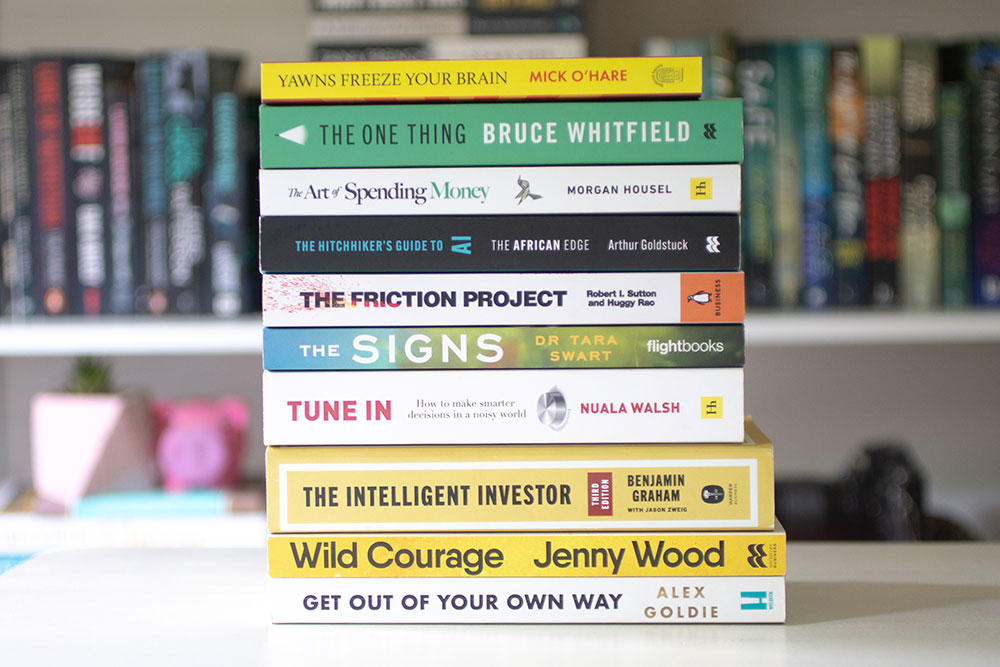
Last year one of my goals was to read more learning books. I decided I wanted to complete one per month and kept up the habit by dividing the pages by the days of the month and making sure I completed each day’s pages while drinking my morning coffee. There were of course days where I didn’t have this time and missed my daily read, but by keeping track of pages left, divided by days left, I pushed myself to catch up.
And then there was the month of March where I didn’t read one at all. We all have those stacked months, where the to-dos, occasions and big life events take over and our daily routines slip away. My proudest accomplishment was not letting this derail my goal and I got straight back into it in April. I was still so obsessed with the idea of completing 12 in a year that I picked an easy skinny one to double up with in October so I could reach the target.
Looking back, I could have made the time in March. We all have spare minutes in our days, it’s how we choose to use them. When we lack focus it’s easy to let time slip away. My goal for this year is to bring this habit into 2026 but to do it better – to be more intentional with my spare minutes, dedicate myself to great learning books, review them quickly and apply the best lessons immediately. Why? Because when I look back on the year I am proud about how much I learned but question how much I applied, so I’m winding the clock back, reviewing the lessons learned and picking one to take along for the year ahead.
The 12 Lessons I learned
January – Genesis

I started off strong with Genesis, a book about AI. Genesis highlights the opportunities and challenges that AI presents. It’s a very apt and an important read but not the easiest to get through.
I learned that what distinguishes AI from ordinary computers is its mapping of the world is not programmed, but learned. Human feedback helps AI machines refine their algorithms but it is the machine’s job to look for patterns and assign importance to the data it is trained on.
I found it to be such an apt inspiration for living with a learning growth mindset. You can only go so far if you do things the same way you’ve always done them, and view the world with the lenses of your conditioning. But if you commit yourself to learning, observing, filtering, analysing and updating your preconceptions and actions, there’s no telling where it will lead you.
February – The Nervous System Reset

The Nervous System Reset explores how a dysregulated nervous system can be the root cause of emotional, digestive and physical issues.
I learned that true resilience isn’t soldiering on no matter what, rather it’s learning how to do the best with the nervous system you have and using regulation to minimise the harm that stress and trauma can have on you. In other words don’t compare yourself to other people’s version of resilience, and don’t judge how others appear to be coping.
“March” – Yawns Freeze your Brain
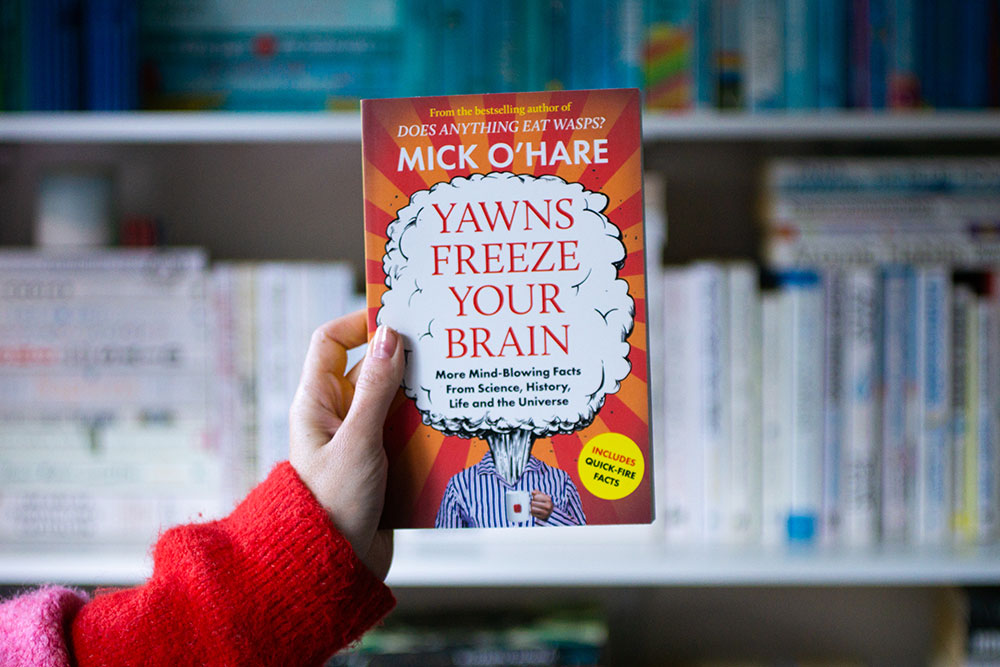
Yawns Freeze Your Brain is a fun general knowledge book that is perfect for a pub quiz lover.
I learned that the book name is referring to temperature, not pause and it came from the belief (of scientists) that yawning makes your brain cooler, helping to keep it at its optimum functioning temperature. So, the next time you yawn and people accuse you of being bored or tired, you can tell them you’re just trying to cool down your overexcited mind.
April – The One Thing
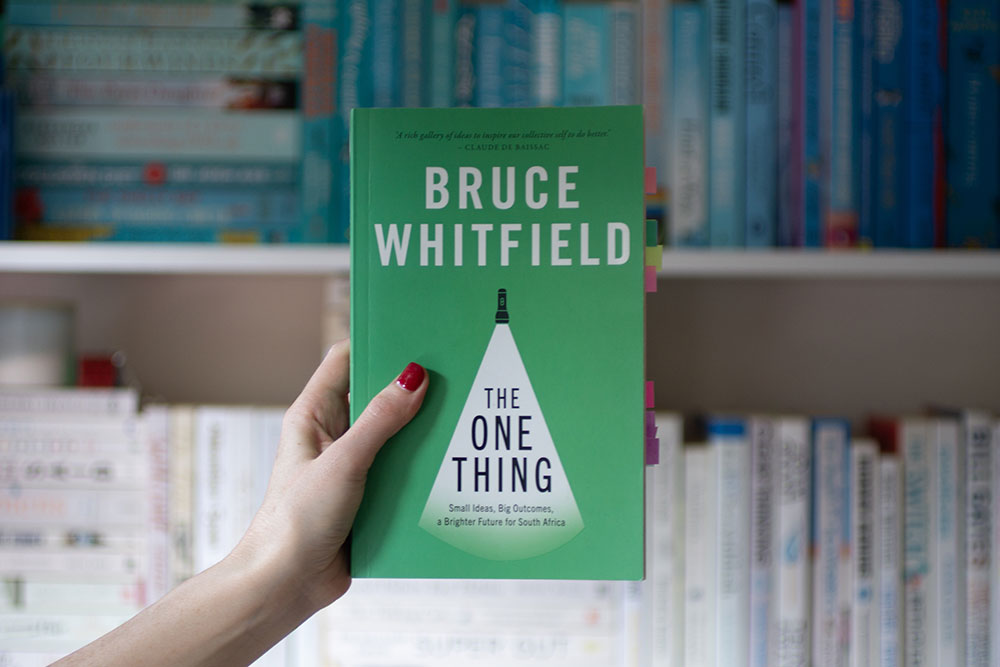
The One Thing asks 100+ interesting South Africans what’s the one thing they would do if they were president of South Africa for 30 minutes. This book is inspirational rather than a classic “learning book” but it taught me how much potential this country has and how many good people are trying to make a difference. I will reshare a quote which sums up my morning reading habit goals quite nicely:
I learned that we often overestimate what we can achieve in the short term and underestimate what can be accomplished over time with persistent, focused effort. It is such a great reminder of how much impact little actions daily compound over time.
May – The Friction Project
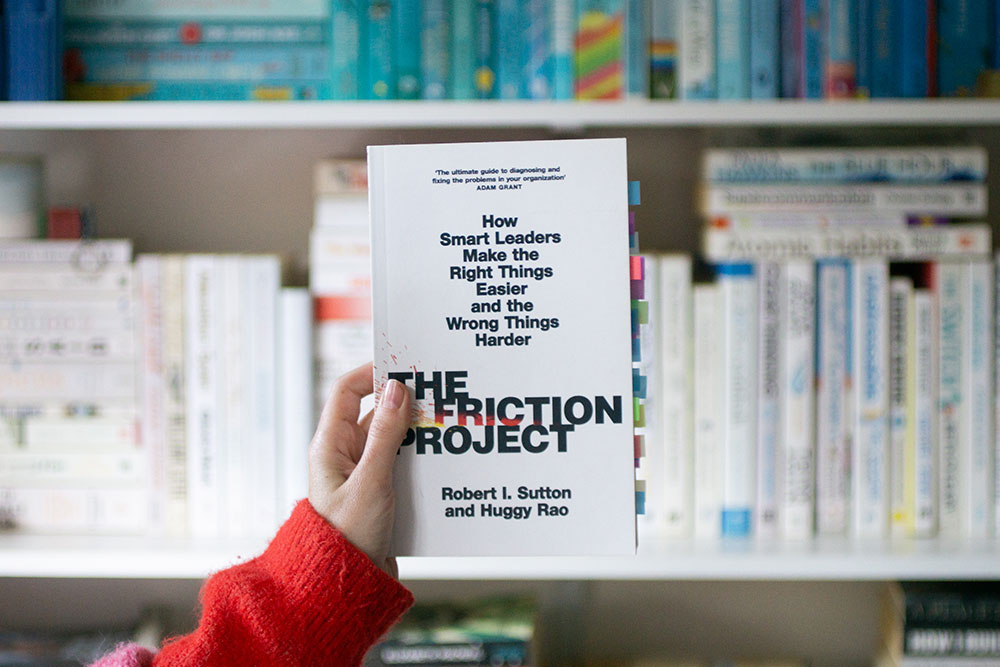
The Friction Project is a practical guide on how to become a friction fixer.
I learned about ‘Ride Along, Help and Do the Work’. When leaders take time to watch, talk to and shadow people as they try to do their work and struggle with an organization’s broken parts, the causes, costs and cures for friction troubles become clearer and more accurate. I have found that by applying this lesson you often get back more than you give, you can learn so much from everyone around you.
June – Wild Courage
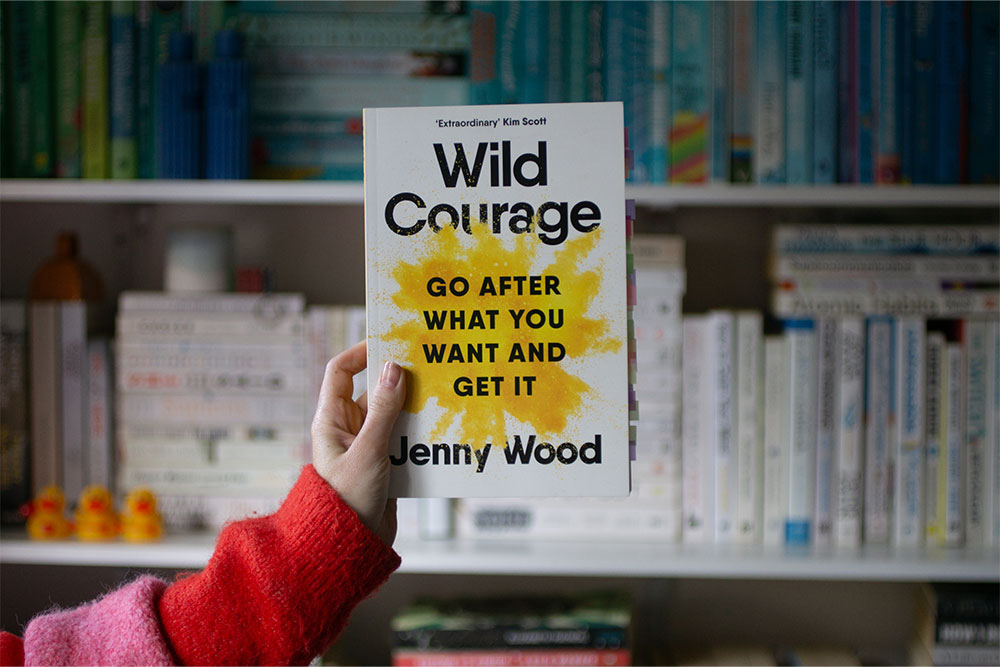
Wild courage teaches you how to create a set of principles that will help you achieve your own version of success.
I learned that adding a reason to your request boosts the likelihood of a yes, even if the reason doesn’t add meaningful information. I don’t particularly agree with the case study example given but I have found this to be absolutely true.
July – Tune In
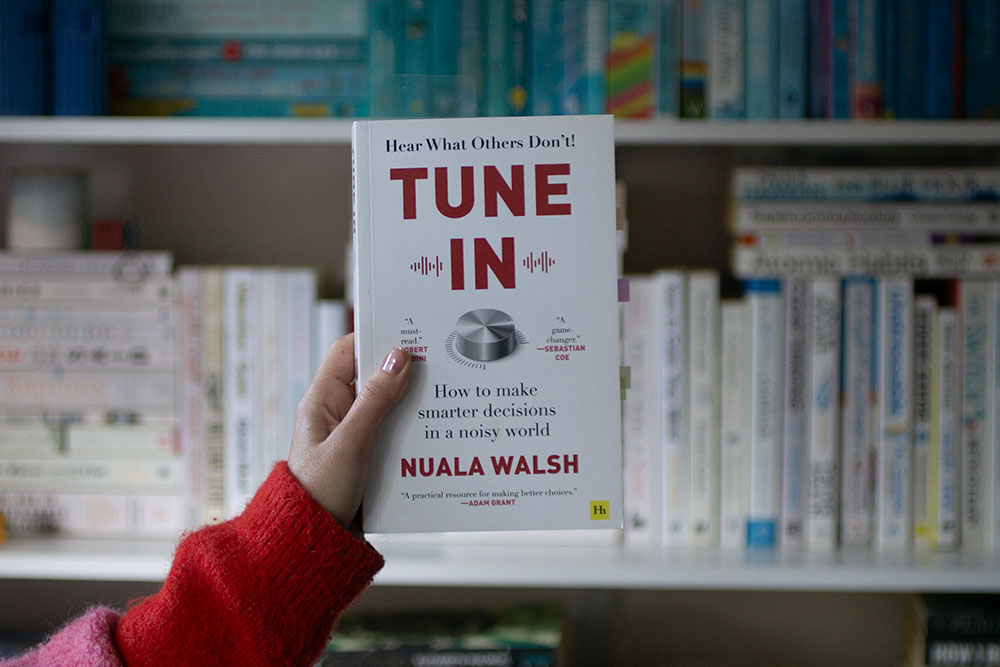
Tune in teaches you how to make smarter decisions in a noisy world.
I learned that the environment in which you make your decisions is critically important. To consciously reflect and declutter your mind, you need to declutter and intentionally design your decision space. Cluttered spaces create cluttered minds and I have found when the space around me is clean and organised, I am my most productive and calm.
August – Get Out of Your Own Way
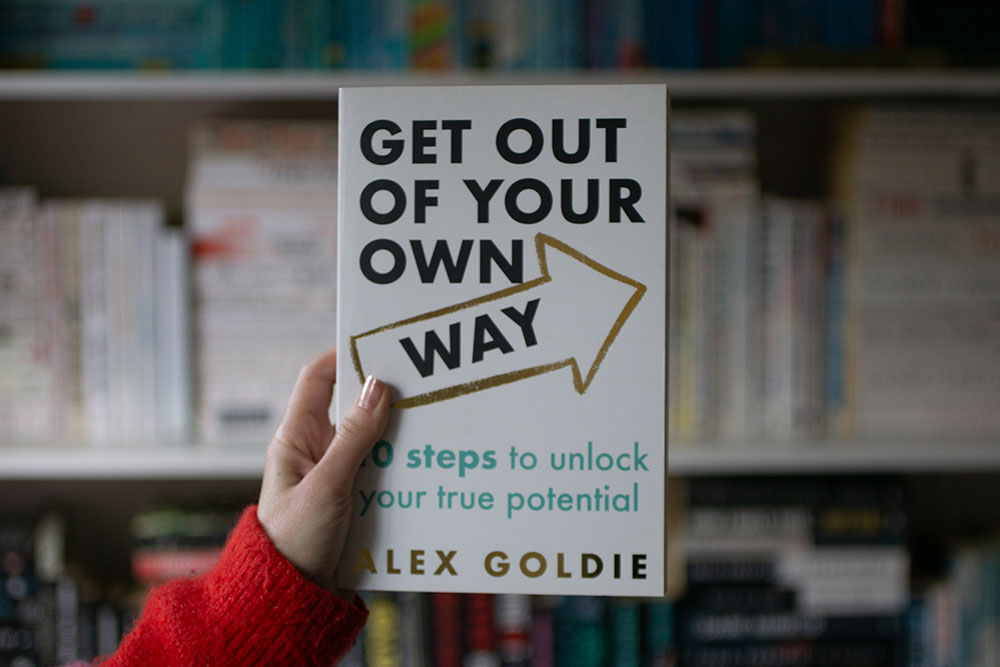
Get out of your own way is a collection of motivational steps to help you build confidence, overcome obstacles and improve yourself.
I learned how much in life we actually control. Not new information but a great reminder. You control how people perceive you, your thoughts, your perspective, how you treat yourself, your happiness, how much time you waste worrying, what you want to do today and who you want to become.
I often think about this when I need to do something I have been putting off. The amount of strain these little tasks put on your mind is staggering and unnecessary when you consider how much control you have in removing that mental space.
September – The Intelligent Investor
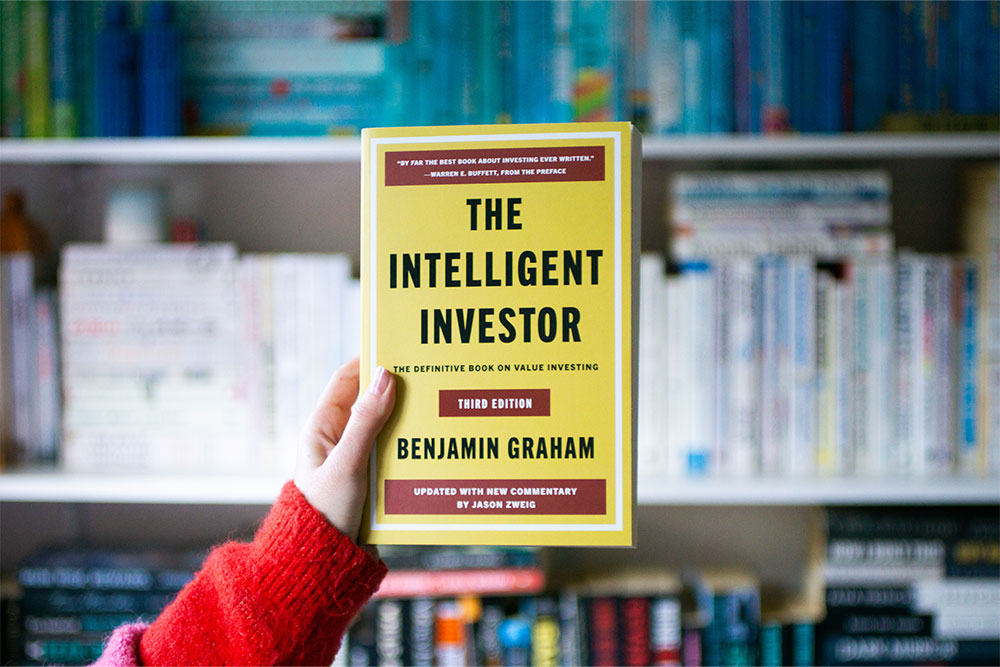
The intelligent investor helps protect investors against common mistakes and teaches sensible strategies to serve investors throughout their lifetime. It is a whopper of a book and brilliant, but if you are a novice like me, a lot might fly over your head.
I learned that you can’t be an investor without taking risks, and you can’t take risks without making mistakes. But you can’t learn from your mistakes if you never admit you make any. Only by studying your mistakes can you keep improving your policies and procedures. A great lesson for life in general.
October – The Hitchhiker’s Guide to AI
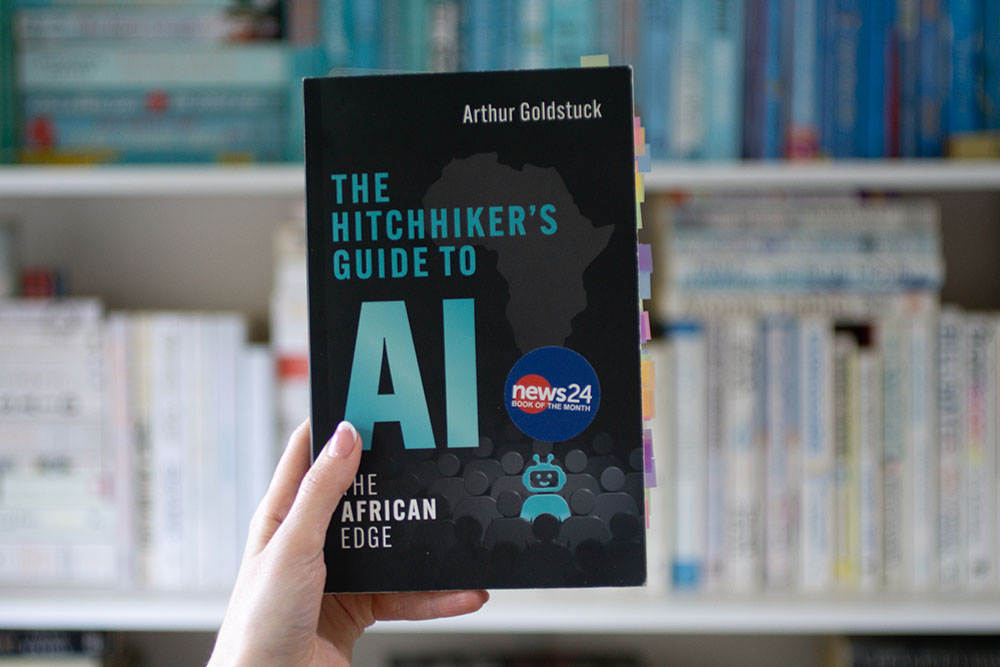
The Hitchhiker’s Guide to AI highlights how everyday people and professionals in Africa are shaping and being shaped by the rise of machine intelligence.
I learned that AIs version of “learning from its mistakes” is called backpropagation. It does this by comparing the network’s predictions with the desired outcomes, and if there is an error, backpropagation identifies the neurons responsible and adjusts their weights to improve future predictions. It’s an extension of the lesson learned from the Intelligent Investor and I’d love to be this methodical about my mistakes.
November – The Signs
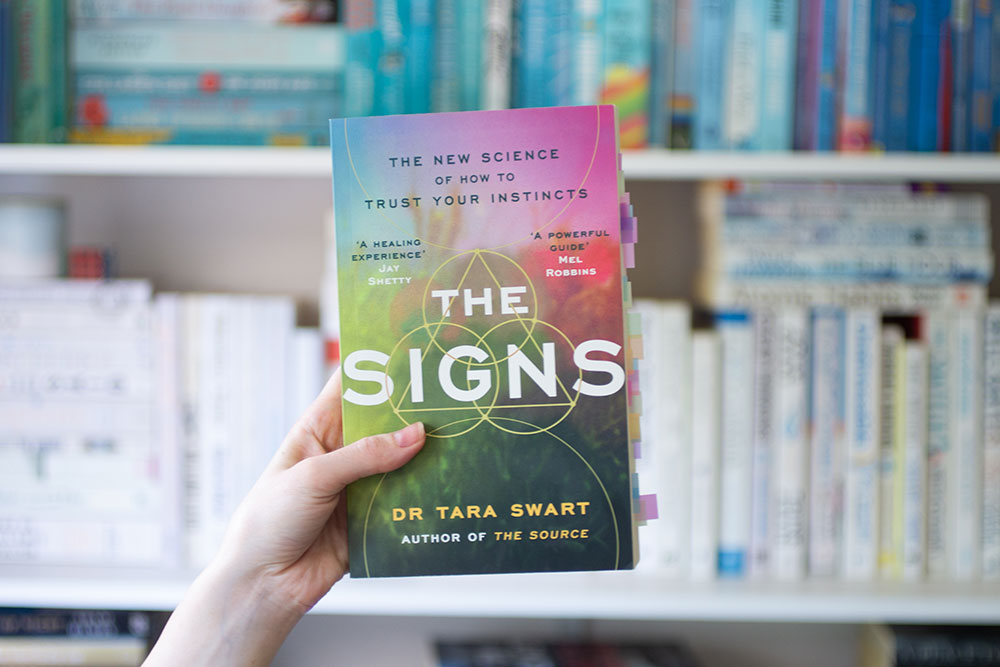
The Signs teaches you how to hone into your intuition and become aware of signs around you.
I learned how action boards work. If you collect and regularly look at images of things that you want, you are more likely to notice opportunities in the real world that can bring those things into your life. In other words – dare to dream. If you put your vision out there, it just might come true.
December – The Art of Spending Money
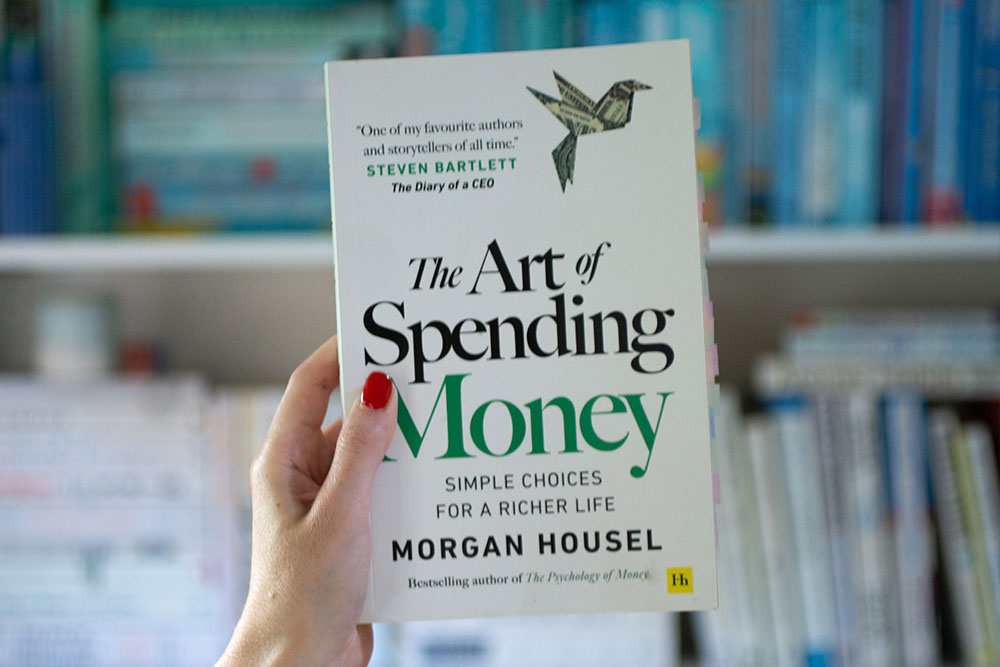
The Art of Spending Money provides guidance on how to harness the power of money to live a happier life. This one was my top learning book of the year and really set the tone for 2026.
I learned to apply future tense to my spending decisions. The idea is to learn how to accurately figure out how your future self will feel about your spending decisions. You might not always get it right but applying this lesson has already inserted a necessary pause in a lot of my impulse purchases. It also helped me remove the urgency effect of certain purchases, allowing me to pause, analyse and consider if it is the right item, if it’s a rare item, if it is a timeless item, and if I really need it now.
What lessons have you learned from books? Share in the comments!